

In the era when die-casting technology is very mature, the application field of zinc alloy die-casting parts has become very extensive. Due to the convenient molding, strong plasticity, and high processing efficiency of zinc alloy precision die-casting parts, they are currently widely used in various electronic casings and accessories, communication accessories, handicrafts, decorative parts, such as furniture accessories, car remote controls, home decoration, bathroom accessories, lighting parts, etc. Therefore, the surface quality of castings is required to be high, and zinc alloy precision die-casting parts have good surface treatment performance.
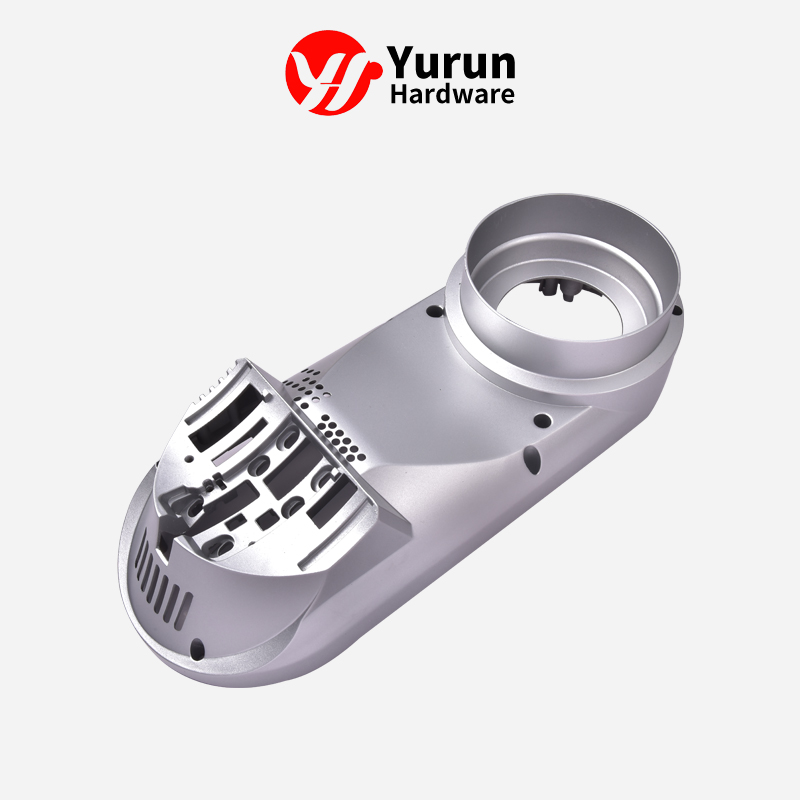
However, the most common defect of zinc alloy precision die-casting parts is surface blistering, which can be divided into processing defects such as die-casting blistering, electroplating blistering, and spraying blistering. Based on the experience of bubbling in zinc alloy precision die-casting parts, the following aspects can be summarized and analyzed:
1 At the beginning of the design of zinc alloy precision die-casting products, the feeding port, slag discharge port, and exhaust setting of the mold should be considered. Because the product flow channels for feeding and slag discharge are smooth, without air entrapment, water marks, or dark bubbles, it will directly affect whether the subsequent electroplating process produces bubbles. Products produced by qualified feeding and slag discharge molds have a smooth, white, and water free surface.
2. In mold development, it is also necessary to consider the tonnage, pressure, and number of mold holes produced by the molding machine.
3. The surface polishing solution, polishing paste, and oxide layer of the pre-treatment surface are not cleaned thoroughly, often resulting in a much brighter surface after rolling and polishing. The employees in the pickling process of the electroplating factory randomly pickling, causing the surface polishing agent to adhere to the surface to be not cleaned thoroughly, often resulting in bubbles; In addition, the quality of the rolling agent selected by the rolling polishing factory is also closely related, and some surface active agents in the rolling agent are extremely difficult to wash away.
4. Before immersing the product in alkaline copper (commonly known as copper base) plating tank, there is still an oxide film (acid washed film) on the surface of the product. The wax and oil removal films have not been cleaned, so film removal is crucial. In earlier years, anti dye salts could be used for removal. Now, environmental protection is strictly inspecting the discharge of wastewater containing anti dye salts. It is recommended to use LJ-D009 film removal powder, which has better effect than anti dye salts, can remove the nickel layer, and COD discharge meets national standards.